
 by
by 
Selling property in St. Kitts is a straightforward process for sellers who understand what is involved and get the right people in place before they start. The transaction moves from listing to registered transfer in two to four months for a clean sale. The main seller obligation is stamp duty at 6 to 10 percent of the sale price, paid to the Inland Revenue Department. There is no capital gains tax on property held for more than 12 months, no income tax, and no inheritance tax. This guide covers the full process from deciding to sell through to receiving your proceeds, with all costs named. Speak to SKN Real Estate at info@sknrealestate.com or +1 869 763 4441, or browse current listings at sknrealestate.com/.
The St. Kitts property market for sellers in 2026
The market conditions for sellers in 2026 are favourable. Tourism arrivals grew 15 percent in Q1 2025, sustaining demand from international buyers in the resort and investment segments. The St. Kitts CBI programme continues to attract foreign buyers who need qualifying property, supporting demand in the Frigate Bay and South East Peninsula markets. ImmigrantInvest confirms average annual real estate appreciation of approximately 4 percent, which means properties held for several years have typically grown in value. For a full picture of current market conditions, the St. Kitts property market guide covers pricing trends across all segments.
The buyer pool for St. Kitts property is overwhelmingly international. Most buyers are from North America, the UK, and Europe, researching online before ever visiting the island. A strong online listing with professional photography and accurate pricing reaches this audience. Most buyers arrange viewings via WhatsApp video before travelling, and many complete purchases without visiting in person at all. Understanding how your buyer will find and evaluate your property shapes how you should present and price it.
What selling costs you as a seller
Before you list, the costs of selling should be factored into your net proceeds calculation. There are no surprises here if you go in with clear numbers.
Stamp duty: 6 to 10 percent of the sale price. This is the primary seller cost. Stamp duty on the transfer of real property in St. Kitts is paid by the seller and ranges from 6 to 10 percent depending on location and property type. The rate is assessed by the Inland Revenue Department. Multiple sources including ImmigrantInvest, Global Citizen Solutions, IminCaribbean, Global Residence Index, and the IRD directly confirm the seller pays stamp duty in this range. On a US$500,000 (EC$1,350,000) sale, stamp duty at 8 percent is US$40,000 (EC$108,000). Your attorney advises on the applicable rate for your specific property before you commit to a sale price.
Attorney fees: 1 to 2 percent of sale price. Your conveyancing attorney handles the legal side of the transaction including preparing the transfer deed, clearing title, attending to IRD clearance, and registering the transfer at the Land Registry. Typical seller attorney fees run 1 to 2 percent of the sale price, negotiated at instruction.
Real estate agent commission: 3 to 5 percent of sale price, negotiated. SKN Real Estate’s standard commission for sales is a minimum of 3 percent of the total sale value, negotiated. This covers listing, marketing, buyer qualification, viewings, offer management, and coordination through to completion. Agent fees are typically deducted from the proceeds at completion through the attorney’s completion statement.
Property tax clearance: all arrears must be cleared. The Inland Revenue Department requires that all property taxes are paid and current before a transfer can be registered. If you have outstanding property tax arrears, these are settled from sale proceeds before the balance is released to you. Annual property tax on a residential property in St. Kitts is 0.2 percent of the assessed market value of the land and 0.2 percent of the assessed value of the building. On a US$500,000 property, this is approximately US$1,000 per year. The IRD issues a Certificate of Value confirming the assessed value and clearance of outstanding tax.
SKELEC and Water Services clearance. Utility accounts must be settled and cleared before completion. Your attorney obtains written confirmation from SKELEC and the Water Services Department that all accounts are clear. Any outstanding utility balances are settled before the transfer registers.
Mortgage redemption, if applicable. If your property is mortgaged, your attorney requests a redemption figure from the lender. The outstanding mortgage balance is repaid from sale proceeds at completion before the balance is released to you. If the house is worth less than the mortgage, see our guide to selling a house when you owe the bank more than it is worth. The banks active in St. Kitts for residential mortgages include SKNANB, Bank of St. Kitts and Nevis, and Republic Bank.
No capital gains tax on property held over 12 months. St. Kitts does not impose capital gains tax on individuals. Caribbean-tax.com notes that capital gains are not taxable unless the asset is purchased and sold within the same 12-month period, where a 20 percent rate applies. Property held for more than 12 months carries no capital gains liability. This is confirmed across multiple tax sources including Global Citizen Solutions, IminCaribbean, and ImmigrantInvest. No income tax, inheritance tax, or gift tax applies to property transactions.
Net proceeds calculation: a worked example
On a US$500,000 (EC$1,350,000) residential sale in Frigate Bay, held for more than 12 months:
Sale price: US$500,000. Stamp duty at 8%: US$40,000 (EC$108,000). Agent commission at 3%: US$15,000 (EC$40,500). Attorney fees at 1.5%: US$7,500 (EC$20,250). Property tax clearance (assuming current): negligible. Utility clearance: settled from proceeds if any arrears. Approximate net proceeds before mortgage redemption: US$437,500 (EC$1,181,250).
This is the seller’s net before any mortgage. If the property carries a US$150,000 mortgage, the net after redemption is approximately US$287,500 (EC$776,250). Your attorney prepares a formal completion statement showing every deduction before funds are released.
The CBI seller: additional considerations
If you purchased your property under the St. Kitts and Nevis Citizenship by Investment programme, specific resale rules apply. Under the programme, CBI-acquired property purchased as a condominium unit or development share must be held for a minimum of five years before resale. Property purchased as a private home (the US$600,000 minimum category) must be held for seven years. Resale to another CBI programme participant is permitted after the relevant hold period. ImmigrantInvest confirms that at resale, the property’s value may be 20 to 30 percent higher than the original purchase price given the 4 percent average annual appreciation rate.
If you are selling CBI-acquired property, your attorney confirms the hold period has been satisfied and advises on the resale process within the programme framework. The buyer’s CBI authorised agent handles the citizenship transfer process on the buyer’s side.
Step-by-step: the selling process in St. Kitts
Step 1: Instruct a real estate agent and an attorney. Do both at the start, not sequentially. Your attorney can begin reviewing your title documentation and confirming that all property taxes and utility accounts are current while your agent begins marketing. The Land Registry Act No. 10 of 2017 established the dedicated Land Registry in St. Kitts. Your attorney obtains certified copies of your title from the Land Registry as part of the sales pack.
Step 2: Price and list the property. Your agent provides a market appraisal based on comparable sales and current listings. Pricing correctly from the start is critical. Overpriced listings sit, which reduces buyer confidence and can result in eventual price reductions that achieve less than a correctly priced listing would have. Your agent lists the property on sknrealestate.com/ and associated platforms, with professional photography and an accurate description.
Step 3: Manage enquiries and viewings. International buyers typically enquire by email or WhatsApp. Your agent qualifies enquiries, establishes the buyer’s position (cash or finance, timeline, CBI interest if relevant), and arranges video viewings via WhatsApp as standard. In-person viewings are arranged for serious buyers who visit the island. Your agent handles all buyer communication and shields you from unqualified enquiries.
Step 4: Receive and negotiate an offer. Your agent presents all written offers to you with a recommendation. Negotiation on price and terms is handled by your agent. Key terms beyond price include the completion timeline, what is included in the sale (furnishings, appliances), and any conditions the buyer requires (such as ALHL approval for foreign buyers purchasing outside the exempt zones). Once terms are agreed, the agent notifies both attorneys.
Step 5: Sign the Sale and Purchase Agreement. Your attorney prepares the Sale and Purchase Agreement or reviews the buyer’s attorney’s draft. The agreement sets out the agreed price, completion date, deposit amount (typically 10 percent of the sale price held by the buyer’s attorney in escrow), and any conditions. You sign the agreement. The deposit is paid and held. The transaction is now under contract.
Step 6: Due diligence and title preparation. The buyer’s attorney conducts full due diligence: Land Registry title search, IRD property tax clearance confirmation, SKELEC and Water Services clearance confirmation. Your attorney responds to any buyer enquiries about title, boundaries, or property condition. If any issues arise from title searches, your attorney addresses them. Common issues include outstanding land tax arrears (cleared from proceeds), utility arrears (cleared from proceeds), or title discrepancies (addressed by your attorney before completion).
Step 7: ALHL process if applicable to buyer. For foreign buyers purchasing outside the ALHL-exempt zones (Frigate Bay and South East Peninsula) and not using the CBI programme, the buyer’s attorney submits the ALHL application to the Ministry of Sustainable Development. This takes approximately three months. Your transaction is under contract and the deposit is secured during this period. The Sale and Purchase Agreement conditions protect both parties during the ALHL approval window.
Step 8: Completion. On the agreed completion date, the buyer’s attorney transfers the balance of the purchase price to your attorney’s client account. Your attorney confirms receipt of all funds, verifies all clearance documents are in order, and releases the completion statement showing all deductions. Stamp duty is settled with the IRD by your attorney from the proceeds. Agent commission is settled. Attorney fees are settled. Mortgage redemption if applicable is settled. The remaining balance is transferred to you.
Step 9: Land Registry registration. Your attorney and the buyer’s attorney submit the transfer deed and all supporting documents to the Land Registry. The IRD first registers the transfer in the property tax records, updating ownership. The Land Registry then updates the Certificate of Title or Register of Deeds in the buyer’s name. Registration completes the transaction. You receive written confirmation that the transfer has been registered.
For a clean sale in the Frigate Bay exempt zone or a CBI-approved property with a cash or pre-approved buyer, this full process completes in two to four months. ALHL-subject transactions add approximately three months for the Ministry approval process, making five to six months the typical full timeline for non-exempt-zone sales to foreign buyers.
Selling as an overseas owner
Many St. Kitts property owners are based overseas. The transaction does not require you to be present on the island at any stage. Your attorney can act under a Power of Attorney, which you execute in your home country and have apostilled or notarised. This authorises your attorney to sign documents on your behalf throughout the transaction including the Sale and Purchase Agreement and the transfer deed.
For overseas sellers receiving sale proceeds, your attorney remits the net balance to your nominated bank account after all deductions. The remittance goes via the local banking system. There is no restriction on remitting proceeds overseas from a St. Kitts property sale. There is no withholding tax on the proceeds for sellers, whether resident or non-resident, as St. Kitts does not impose personal income tax or capital gains tax on property held over 12 months.
If your property is currently under a management agreement with a property manager, notify them at the start of the sales process so they can facilitate access for viewings and coordinate any outstanding maintenance or utility matters before completion.
Preparing your property for sale
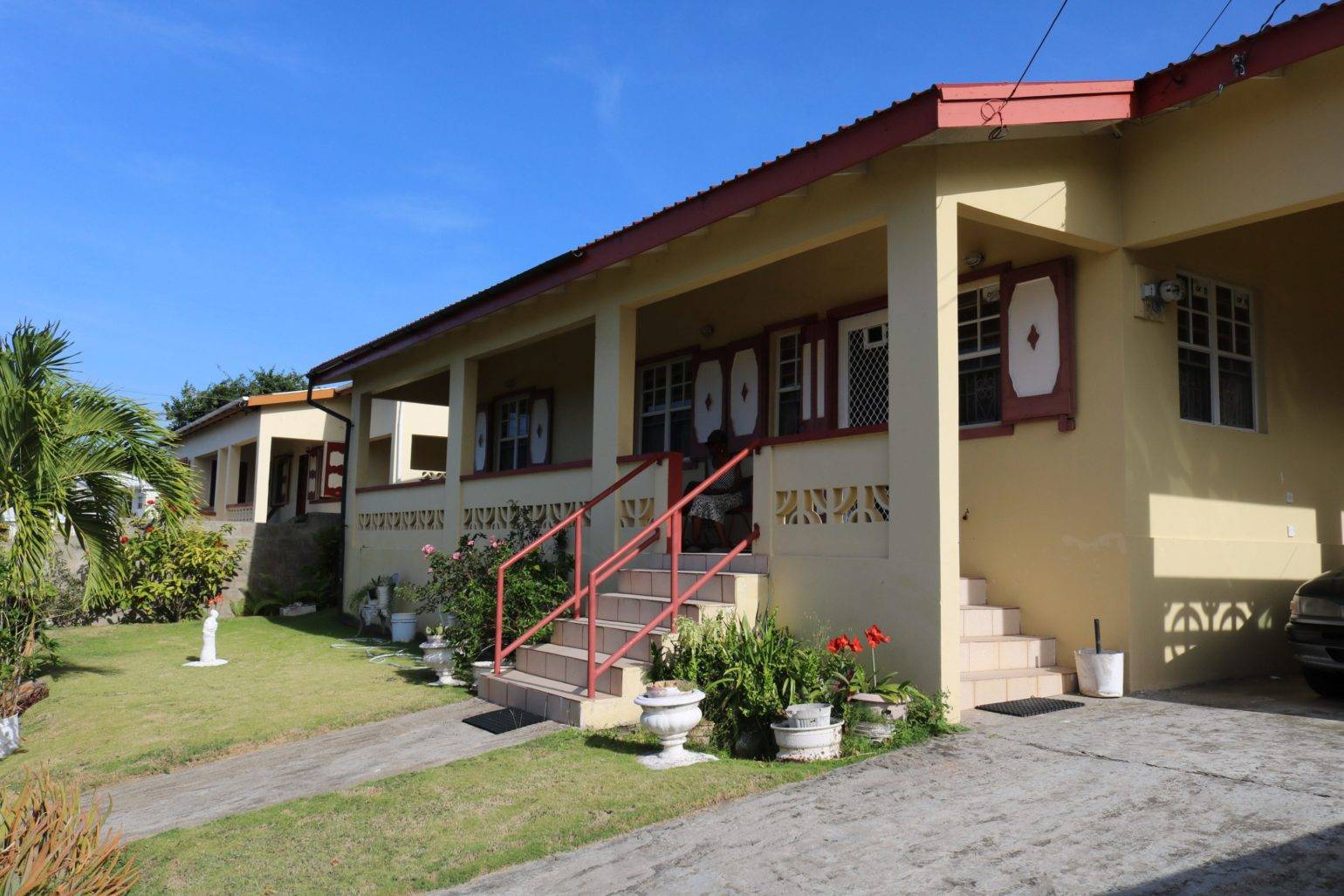
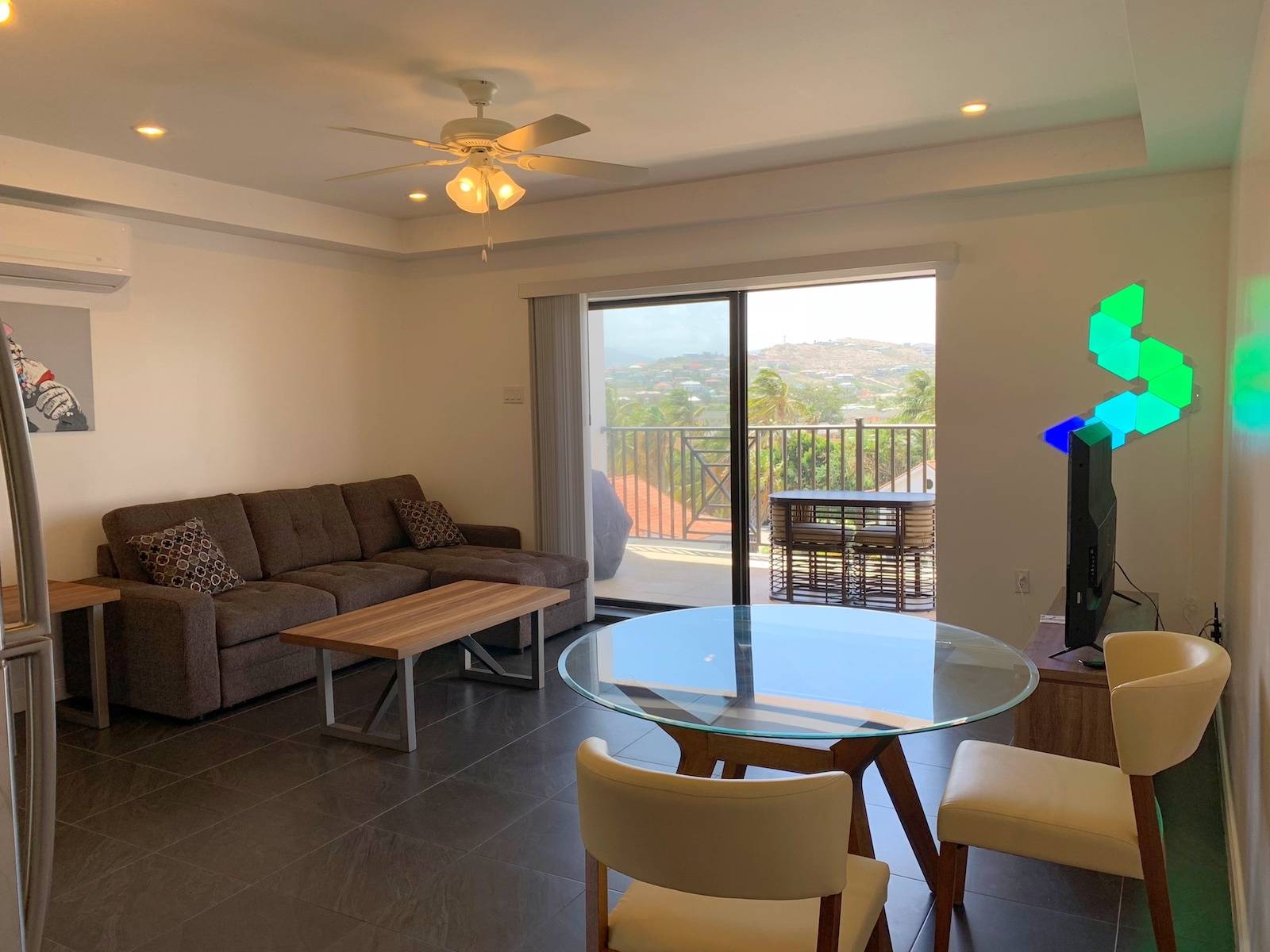
First impressions in an online-first market are made by photography. The majority of international buyers make their initial shortlist based entirely on listing photos and the written description before ever contacting an agent. Professional photography is worth the investment. Properties with clear interior and exterior shots, natural light, and an honest representation of condition generate more qualified enquiries than listings with poor images, regardless of price.
Presentation matters for viewings. The buyer pool includes second-home buyers who are imagining living in the property. A clean, well-maintained interior and exterior photographs well and shows well. Any obvious deferred maintenance that a buyer would flag during due diligence, a leaking roof, failing air conditioning, or outstanding structural work, should be addressed before listing if it affects the achievable price. What a seller spends EC$5,000 fixing before listing may prevent a EC$30,000 price reduction negotiation after the buyer has a survey done.
Gather your documentation early. Your attorney needs the original title deed or Certificate of Title, all property tax receipts and clearance confirmation from the IRD, SKELEC and Water account details, any ALHL or CBI documentation if the property was purchased under either route, strata documents and management agreements if applicable, and details of any existing tenancy agreements. Having these ready before listing removes delays from the process.
Working with SKN Real Estate as your selling agent
SKN Real Estate lists and sells residential and commercial property across St. Kitts and Nevis. Our commission rate for sales starts at a minimum of 3 percent of the total sale value, negotiated. We handle listing, marketing, buyer qualification, video viewings, offer negotiation, and coordination with attorneys through to completion.
For overseas sellers, we provide regular written updates on listing activity, enquiry volumes, viewing feedback, and market conditions, so you have a clear picture of how the sale is progressing without needing to be on island. We work with buyers from North America, the UK, Europe, and beyond as standard.
To discuss listing your property, contact us at info@sknrealestate.com or +1 869 763 4441. Our office is on Central Street, Basseterre. Browse all current listings at sknrealestate.com/.
Frequently asked questions
How much does it cost to sell a property in St. Kitts?
The main costs for a seller are stamp duty at 6 to 10 percent of the sale price (paid to the Inland Revenue Department), attorney fees at approximately 1 to 2 percent of the sale price, and real estate agent commission starting from 3 percent. All outstanding property tax arrears and utility balances are also cleared from proceeds before the balance is released. On a US$500,000 sale, total seller costs including stamp duty at 8 percent, agent at 3 percent, and attorney at 1.5 percent amount to approximately US$62,500 (EC$168,750), giving net proceeds before any mortgage of approximately US$437,500 (EC$1,181,250).
Is there capital gains tax when selling property in St. Kitts?
No, for property held more than 12 months. St. Kitts does not impose personal income tax, inheritance tax, or general capital gains tax. Caribbean-tax.com confirms that capital gains are not taxable unless the property is purchased and sold within the same 12-month period, where a 20 percent rate applies. Property held beyond 12 months carries no capital gains liability. This is confirmed by multiple tax sources including Global Citizen Solutions, ImmigrantInvest, and IminCaribbean. Always confirm the current position with your attorney and your home country tax adviser, as your home country tax rules on overseas property sales may differ.
Who pays stamp duty in St. Kitts, the buyer or seller?
The seller pays stamp duty in St. Kitts. The rate is 6 to 10 percent of the sale price depending on location and property type, assessed by the Inland Revenue Department. The buyer pays the Alien Landholding Licence fee of 10 percent of the property value where applicable, and the Land Assurance Fund contribution of 0.5 percent. Stamp duty and ALHL are separate obligations on different parties to the transaction.
How long does it take to sell a property in St. Kitts?
For a clean sale in the Frigate Bay exempt zone or a CBI-approved property with a ready buyer, the full process from accepted offer to registered transfer takes two to four months. For sales outside the exempt zones to foreign buyers who require an ALHL, allow five to six months including the approximately three-month Ministry of Sustainable Development approval process. Time on market before finding a buyer is separate and depends on pricing, presentation, and market conditions.
Do I need to be in St. Kitts to sell my property?
No. The transaction can be completed entirely remotely through a Power of Attorney. You execute the Power of Attorney in your home country (apostilled or notarised as required), which authorises your local attorney to sign all documents on your behalf. Sale proceeds are remitted to your nominated bank account after completion. Many St. Kitts sellers are overseas-based and complete transactions without returning to the island.
What happens to my tenants if I sell a rental property?
If your property has sitting tenants, the sale does not automatically terminate the tenancy. The Rent Restriction Act (Cap. 307) governs residential tenancies in St. Kitts. Your attorney advises on the notice requirements and the buyer’s obligations in relation to existing tenancy agreements. Buyers typically receive full disclosure of any tenancies as part of due diligence. Some buyers purchase specifically to retain a tenanted investment; others require vacant possession at completion. This is negotiated as a term of the Sale and Purchase Agreement.
Last updated: April 2026 | SKN Real Estate, Central Street, Basseterre, St. Kitts | sknrealestate.com/ | info@sknrealestate.com | +1 869 763 4441