
 by
by 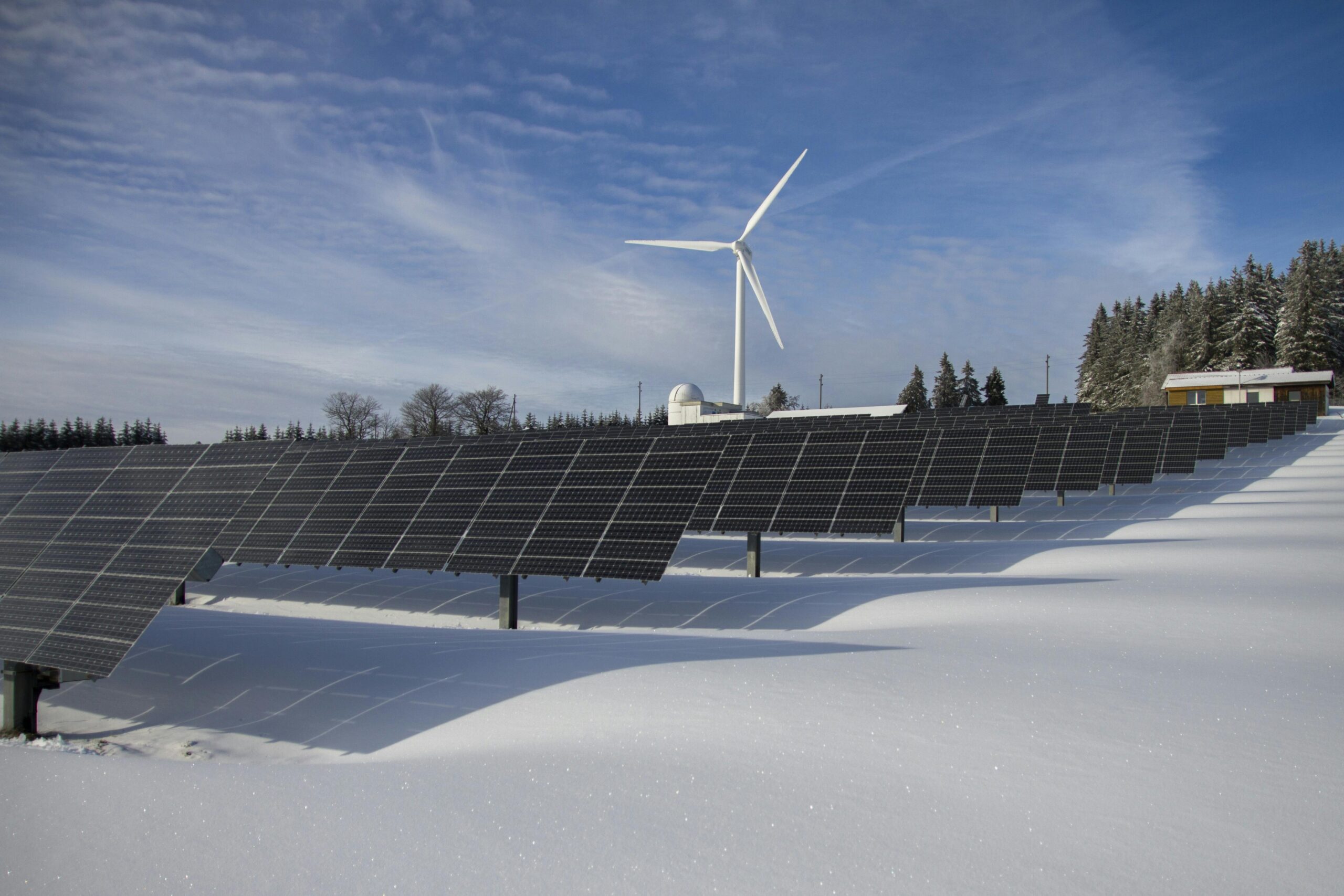
The Government of St. Kitts and Nevis launched its green energy transition project in early April 2026, confirmed by SKNIS on April 3. The initiative, which aims to shift the federation away from fossil fuel-dependent electricity generation toward renewable sources, has direct implications for property owners, landlords, and buyers who currently factor SKELEC electricity costs into their property calculations. Browse current listings at SKN Real Estate.
The current electricity picture in St. Kitts
St. Kitts electricity is supplied by SKELEC, the St. Kitts Electricity Company. Electricity costs in St. Kitts are among the higher costs associated with property ownership and tenancy on the island, primarily because generation has historically been diesel-dependent. For landlords, SKELEC costs are a significant variable in property operating expenses. For tenants in units where electricity is not included in the rent, electricity bills are a material part of the monthly cost of living. For buyers assessing the income potential of a rental property, electricity costs directly affect the net yield calculation.
The 2026 budget, presented by Prime Minister Drew in December 2025 and confirmed by the Observer, explicitly referenced climate resilience and the green energy transition as priorities. The Prime Minister noted that the spirit of the 2026 budget was written around adopting modern construction methods and transitioning to renewable energy infrastructure, partly in response to the devastation caused by extreme weather events in the region.
What the transition involves
The green energy transition project launched in April 2026 follows a series of renewable energy initiatives already underway. The Leclanché solar project, referenced by multiple investment guides covering St. Kitts, has been a component of the island’s move toward solar generation. The February 2026 commissioning of the Basseterre desalination plant, funded with Taiwan assistance and capable of producing two million gallons per day through a process that also has significant energy requirements, adds to the picture of a government investing in infrastructure that reduces dependence on imported fuel.
Government sources have indicated that the transition programme includes plans to place utility lines underground in new construction and upgraded areas, reducing the vulnerability of the electricity network to hurricane damage. This is directly relevant to property buyers assessing resilience risk, particularly in the context of the Prime Minister’s reference to the destruction caused by Category 5 Hurricane Melissa in Jamaica as a warning for the region.
What it means for property owners and buyers
For existing property owners in St. Kitts, a successful transition toward renewable energy generation has two financial implications. The first is the potential for lower electricity tariffs over time if generation costs fall as the diesel dependency is reduced. The second is reduced vulnerability of the electricity supply to global fuel price volatility, which has historically caused significant SKELEC tariff fluctuations.
For buyers assessing buying property in St. Kitts as an investment, energy cost stability is one of the inputs into yield calculations. Rental properties where electricity is included in the rent are directly exposed to SKELEC tariff changes. Properties where tenants pay their own electricity face indirect exposure through tenant affordability constraints. A transition that stabilises or reduces electricity costs over time reduces one of the operating cost variables that landlords and tenants currently absorb.
For buyers moving to St. Kitts from markets where utility costs are a smaller proportion of monthly living expenses, the current SKELEC cost structure is worth factoring into relocation budgets. The government’s stated commitment to the green energy transition is a medium-term positive, but the current cost structure remains the operative reality for property decisions being made now.
For landlords managing existing rental properties, understanding your tenant rights obligations around utility costs and how SKELEC billing is handled within your lease agreements is important when any change to the tariff structure occurs. Lease agreements that include utilities at a fixed amount are more exposed to tariff increases than those that pass electricity costs directly to tenants.
The broader infrastructure picture
The green energy transition announcement forms part of a broader pattern of government infrastructure investment in 2026 that also includes the airport rehabilitation, the desalination plant, and the land transition programme in residential communities. For investors assessing St. Kitts as a medium to long-term property market, the consistent theme across these investments is a government building the infrastructure foundations that support a sustainable increase in the island’s attractiveness to residents, tourists, and investors.
The St. Kitts property market in 2026 is being shaped by these infrastructure signals as much as by transactional price data. A market with improving water security, a rehabilitated airport, expanding renewable energy, and active housing land release is a market that is being deliberately built to support growth. For buyers with a five to ten year investment horizon, that policy environment is material context. Contact SKN Real Estate at info@sknrealestate.com or +1 869 763 4441 to discuss how these developments affect specific property decisions.
Sources: SKNIS, “Government Launches Green Energy Transition Project,” April 3, 2026 (sknis.gov.kn); ZIZ Broadcasting, “Government to Present 2026 Budget on Jobs, Investment and Climate Resilience,” November 2025; St. Kitts Nevis Observer, “Govt. Lays Out EC$1.075B for 2026,” December 2025; SKNIS Basseterre Desalination Plant commissioning, February 24, 2026
Last updated: April 2026 | SKN Real Estate | sknrealestate.com/ | info@sknrealestate.com | +1 869 763 4441